Mastering the Mediterranean Diet: Your Ultimate Guide to Lifelong Wellness
Unlock the secrets of Mediterranean eating to nourish your body and your soul

Imagine sitting at a table overlooking the azure expanse of the Aegean Sea, a gentle breeze rustling through the olive groves. Before you is a spread of vibrant, wholesome dishes—a testament to centuries of culinary tradition and simple, natural ingredients. This scene is not just a feast for the eyes but a blueprint for one of the most acclaimed dietary patterns in the world: the Mediterranean Diet. Heralded for its heart-healthy benefits and joyful approach to eating, this diet is more than just a meal plan; it’s a lifestyle rooted in balance and community.
Originating from countries bordering the Mediterranean Sea, like Greece, Italy, and Spain, this diet emphasizes the consumption of fruits, vegetables, whole grains, and healthy fats, particularly olive oil. It’s a flexible and sustainable way of eating that caters to cultural diversity and personal tastes—no wonder it continues to gain popularity worldwide.
But what are the core principles that make the Mediterranean Diet so hailed in the health community? How does one start adopting this way of eating, and more importantly, maintain it as a part of everyday life? Let’s embark on a journey through this nutritional landscape, exploring its principles, benefits, and practical ways to bring a bit of the Mediterranean sun into your kitchen.
The Core Principles of the Mediterranean Diet
At the heart of the Mediterranean Diet is a commitment to whole foods and seasonal produce. Think of your plate as a colorful assortment, with fruits, vegetables, and grains making the bulk, while proteins and fats complement the meal. Olive oil, the hallmark of Mediterranean cooking, replaces other fats and is lauded for its monounsaturated fat content that supports heart health.
Seafood, especially oily fish like salmon or sardines, is encouraged at least twice a week. These are rich in omega-3 fatty acids, which can reduce inflammation and improve heart function. Red meat is infrequently consumed, while poultry, eggs, and dairy serve as optional, smaller components of meals. The emphasis is on freshness and simplicity, allowing the natural flavors of ingredients to shine through.
Social aspects play a significant role too. Meals are seen as opportunities for connection, often enjoyed with family or friends. This practice not only enriches the eating experience but can also positively influence emotional wellbeing.

Health Benefits Backed by Science
Multiple studies have linked the Mediterranean Diet to a range of health benefits, particularly in cardiovascular health. A landmark study known as the PREDIMED trial demonstrated that participants on this diet had a 30% lower risk of major cardiovascular events.
Beyond heart health, following a Mediterranean diet can aid in weight management, improve metabolic syndrome, and reduce the risk of type 2 diabetes. Its rich supply of antioxidants from fruits and vegetables contributes to reduced inflammation throughout the body, which is key in preventing chronic diseases.
Additionally, the Mediterranean lifestyle promotes longevity. Blue Zones, areas of the world where people live significantly longer, include regions like Sardinia and Ikaria, both of which follow traditional Mediterranean culinary practices. These communities not only benefit from a nutrient-dense diet but also engage in daily physical activities and maintain strong social bonds.

Practical Steps to Adopt the Mediterranean Diet
Transitioning to a Mediterranean Diet can be both manageable and enjoyable. Start by incorporating more plant-based meals into your routine. A simple dish like a Greek salad loaded with tomatoes, cucumbers, olives, and feta cheese, drizzled with olive oil, makes an excellent start.
Swap out butter and margarine for extra virgin olive oil, particularly in cooking or dressings. For example, try roasting vegetables with olive oil and herbs, or drizzle it over hummus when serving.
Opt for whole grains—quinoa, whole-wheat pasta, and brown rice are wonderful foundations for meals. Incorporate legumes like lentils and chickpeas for protein. For main courses, grill or bake fish seasoned with lemon and herbs paired with a side of babaganoush.
Don’t forget about spices and herbs—they are essential flavor enhancers in Mediterranean cooking. Fresh basil, rosemary, oregano, and mint can elevate a dish to aromatic heights.

Pro Tips & Common Mistakes
Pro Tip: Balance food with activity. Walking is a staple in Mediterranean societies, contributing to their high levels of health. Incorporating regular walks or finding an enjoyable physical activity helps amplify the benefits of the dietary practices.
Mistake to Avoid: Do not overlook portion control despite the emphasis on healthy fats and oils. Remember olive oil is high in calories, so use it liberally but wisely.
Pro Tip: Experiment with diverse vegetables native to the Mediterranean like zucchini, eggplant, peppers, and artichokes to enhance your dishes.
Common Mistake: Over-reliance on Western meats. Limit red meats and processed foods, which can undermine the diet’s benefits.
Genuine Meal Ideas to Jumpstart Your Journey
Start your day with a comforting breakfast of whole grain toast topped with mashed avocado, cherry tomatoes, and a drizzle of olive oil. Accompany this with a small serving of plain Greek yogurt with honey and berries.
For lunch, prepare a lentil soup rich with carrots, celery, onions, garlic, and tomatoes, seasoned with cumin and coriander. Pair it with a side of whole-grain bread.
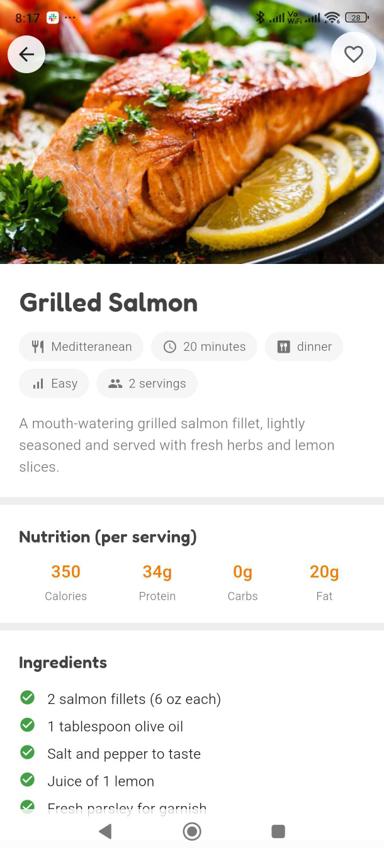
Dinner could be a grilled salmon fillet marinated in olive oil, lemon juice, garlic, and dill, served alongside a couscous salad mixed with colorful bell peppers, cucumbers, and olives.
Snacks should maintain the balance of health and flavor. Options like a handful of nuts, sliced apples with almond butter, or a small bowl of olives make perfect choices.
Final Thoughts
The Mediterranean Diet isn’t just a fleeting trend—it’s a sustainable and enjoyable way of living that echoes the wisdom of generations. Its emphasis on quality ingredients, mindful eating, and communal meals nourishes more than just the body, cultivating a legacy of wellness and happiness. Begin your Mediterranean journey today: savor the simple joy of a lovingly prepared meal, and relish the vibrant, healthy path it lays ahead.
Stop Wasting Food. Start Cooking Smarter.
FridgeScanner turns the ingredients you already have into delicious meals. Snap a photo of your fridge and we'll create recipes for you instantly.
Scan Your Fridge
We identify your ingredients and suggest what to cook
Identify Any Dish
Snap a photo of any meal and get its recipe instantly
Smart Recipes
Personalized recipes based on what you have at home
Daily Articles
Fresh food content and culinary inspiration